
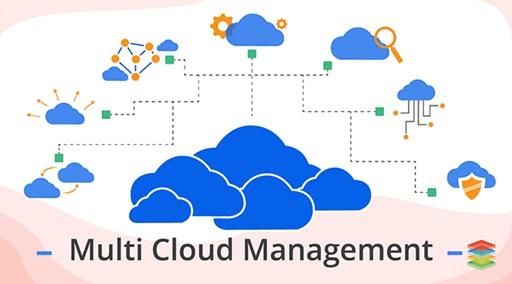
This study presents an in-depth look at the global multi-cloud management market including market estimates, forecast through 2033, industry dynamics, and company profiles. It explains market drivers, restraints, and opportunities while giving an overview of recent strategic moves by major vendors. The report aims to help business leaders and technology teams understand adoption patterns and plan product or go-to-market strategies.
Market Size and Forecast
In 2024 the market size stood at USD 14.00 Billion and is forecast to reach USD 133.03 Billion by 2033 with a CAGR of 28.42%. The market is driven by rising enterprise cloud adoption, the need to avoid vendor lock-in, growing governance and policy requirements, and increased demand for automated multi-cloud operations. Investments in cloud automation, security and analytics are accelerating adoption across industries, supporting rapid market expansion.
Report Link: https://www.valuemarketresearch.com/report/multi-cloud-management-market
The report delivers practical insights on market size, growth drivers, competitive moves, and regional dynamics. It outlines technology trends such as cloud automation and policy-driven governance that shape investment priorities. The study also presents company profiles and strategic developments to help buyers and vendors evaluate opportunities and threats. Overall, the report is designed to guide strategic decisions and vendor selection without focusing on any single segment.
Market Segmentation
The report divides the market into solution types, enterprise size categories, and end-use industries to reflect how buyers choose and deploy multi-cloud management tools. These segmentation layers help readers match solutions with business needs and identify which industries are adopting multi-cloud strategies.
By Solution
This category groups the functional offerings that vendors provide to manage multi-cloud environments. It covers security, advisory services, analytics, automation and managed operations which together enable enterprises to run, secure, and optimize workloads across clouds.
- Security & Risk Management: Tools and services that secure multi-cloud workloads, provide governance, and ensure compliance. These capabilities protect data and enforce policies across cloud platforms.
- Training & Consulting: Professional services and training that help organizations plan migrations, implement governance frameworks, and upskill teams to manage multi-cloud environments.
- Reporting & Analytics: Dashboards and analytics that provide visibility into usage, cost, performance, and compliance across multiple cloud providers.
- Cloud Automation: Orchestration and automation tools that deploy, scale, and manage workloads across clouds to improve efficiency and reduce manual effort.
- Managed Services: Outsourced operations and managed offerings where providers run and maintain multi-cloud environments on behalf of customers.
- Others: Additional support tools and niche offerings that address specific gaps such as migration accelerators or bespoke integrations.
By Enterprise Size
This division shows how requirement and adoption vary with company scale, helping providers tailor offerings and pricing.
- Small & Medium Enterprise (SME): SMEs often seek simple, cost-effective management and security tools with easy onboarding and predictable pricing.
- Large Enterprise: Large organizations demand advanced governance, compliance, integration, and customization to manage complex multi-cloud estates.
By End-Use
End-use segmentation highlights industries adopting multi-cloud management and their unique needs for compliance, latency, or scale.
- BFSI: Financial institutions prioritize security, data sovereignty, and compliance when managing multi-cloud deployments.
- IT & Telecom: Service providers and IT firms use multi-cloud tools for performance optimization and service delivery across regions.
- Consumer Goods & Retail: Retailers use multi-cloud management to handle peak loads, analytics, and omnichannel operations.
- Manufacturing: Manufacturers adopt multi-cloud for industrial IoT, supply chain visibility, and production analytics.
- Healthcare: Healthcare organizations focus on patient data protection, regulatory compliance, and interoperable systems across clouds.
- Media & Entertainment: This sector uses multi-cloud management for content distribution, transcoding, and scalable delivery.
- Government: Public sector bodies require secure, compliant multi-cloud solutions for citizen services and data residency.
- Others: Other industries such as energy, education, and professional services adopt multi-cloud for specific operational needs.
Key Players
Competition in this market is active with established enterprise software vendors and niche specialists competing on features, integrations, and service models.
- BMC Software Inc.: Offers enterprise IT management and cloud operations tools that help automate and monitor hybrid and multi-cloud environments.
- Citrix Systems Inc.: Provides cloud delivery and workspace solutions with capabilities to manage multi-cloud application access and security.
- CloudBolt Software Inc.: Specializes in cloud management platforms focused on governance, cost control, and orchestration across multiple clouds.
- CoreStack: Delivers cloud governance and compliance solutions aimed at automating policy enforcement across cloud providers.
- Dell Technologies Inc.: Provides infrastructure and management solutions, including cloud management integrations for enterprise customers.
Companies are focusing on product enhancements, partnerships, and managed offerings to expand their presence and meet diverse enterprise requirements.
Regional Insights
The report gives a regional view showing demand and forecast across major regions and emphasizes regional adoption patterns and regulatory drivers.
- North America
North America leads adoption driven by mature cloud ecosystems, large enterprise cloud spend, and a strong vendor presence. Organizations in the region prioritize advanced governance, automation, and analytics to optimize multi-cloud operations. - Europe
Europe sees rising demand for multi-cloud management due to data residency rules and emphasis on compliance. European buyers focus on security, policy enforcement, and vendor neutrality to avoid lock-in. - Asia-Pacific
Asia-Pacific adoption is expanding fast as enterprises modernize infrastructure and cloud service providers increase regional availability. Growth is driven by digital transformation initiatives across industries and rising cloud-native development. - Latin America
Latin America shows growing interest in managed services and cloud automation as businesses look to modernize IT and reduce operational costs while navigating connectivity and skills challenges. - Middle East & Africa
The Middle East & Africa region is seeing increasing cloud investments, with demand for secure, compliant multi-cloud solutions driven by government digital agendas and large infrastructure projects.
Information Source: https://www.valuemarketresearch.com/report/multi-cloud-management-market
No responses yet